

Category: Uncategorised
Top Foods to Fuel Your Workout
Have you ever walked into the gym feeling ready to conquer your workout, only to hit an invisible wall halfway through your first few exercises? Your muscles shake, your brain gets foggy, and the weights feel twice as heavy as they should. More often than not, this mid-session fatigue comes down to one crucial missing element: a properly planned pre workout meal.
When you start taking your fitness seriously, nutrition becomes just as important as the training itself. A common question that plagues beginners and seasoned gym-goers alike is, should you eat before a workout? The short answer is an absolute yes. If you want to push your body to its limits, you need to provide it with the right raw materials. Finding the best thing to eat before a workout isn’t just about curbing hunger; it’s about strategically loading your body with the exact nutrients it needs to perform, endure, and recover.
In this comprehensive guide, we are going to break down the science of workout nutrition. From understanding how your body utilizes energy to actionable meal ideas, here is everything you need to know to fuel your fitness journey.

The Physiology of Exercise: Why Your Pre Workout Meal Matters
The fitness community loves to debate whether it is better to eat before or after workout sessions. While post-workout nutrition is essential for recovery, eating pre workout dictates the actual quality of your training session. You can’t out-train a poor diet, and you certainly can’t train optimally on an empty tank.
When you exercise, your body relies heavily on its internal energy reserves. By eating beforehand, you are actively topping off your glycogen stores and muscle endurance naturally increases as a result. Glycogen is simply stored carbohydrates housed within your muscles and liver. When these stores are full, your muscles can contract forcefully and repeatedly. When they are depleted, you experience that dreaded “hitting the wall” sensation.
Furthermore, a well-timed snack ensures you maintain stable blood glucose levels during exertion. A sudden drop in blood sugar can cause dizziness, lethargy, and a loss of coordination. By providing a steady stream of nutrients, you are actively preventing energy crashes during exercise, allowing you to train harder, lift heavier, and run faster.
Mastering the Macros: Optimal Nutrient Ratios
Building the perfect plate requires an understanding of optimal macronutrient ratios for training. You don’t just want to eat anything in sight; you need a specific balance of carbohydrates, protein, and fat.
Carbohydrates: Your Primary Fuel Source
Carbs are not the enemy; they are your body’s preferred source of energy. However, understanding the difference between simple vs complex carbs for fitness is vital.
- Complex Carbs: These take longer for your body to break down, providing a slow, steady release of energy. Rely on complex carbohydrates for sustained energy if your workout is still a few hours away. Excellent sources include brown rice, sweet potatoes, whole-grain oats, and quinoa.
- Simple Carbs: These digest rapidly, delivering an immediate spike in blood sugar and energy. If you are eating within 30 to 60 minutes of your workout, simple carbs are your best friend. Think bananas, rice cakes, dates, or a slice of white toast with honey.
Protein: Priming the Muscles for Recovery
While carbs provide the energy, protein protects the hardware. Consuming protein before you train introduces amino acids into your bloodstream while you are actively tearing down muscle fibers. These amino acids act as powerful muscle protein synthesis triggers, kickstarting the recovery process before you even leave the gym.
You want to avoid heavy, slow-digesting meats right before training. Instead, opt for fast-digesting protein sources for athletes such as whey protein isolate, egg whites, or low-fat Greek yogurt.
Fats and Fiber: Keep Them to a Minimum
Fat and dietary fiber are incredibly healthy, but they are also notorious for slowing down digestion. Eating a high-fat or high-fiber meal right before training leaves food sitting in your stomach, drawing blood away from your muscles and toward your digestive tract. This leads to sluggishness and cramps. Keep fats and heavy fiber strictly limited in your immediate pre-training window.

Timing Nutrient Intake for Performance
Even the perfect pre workout food can ruin your session if you eat it at the wrong time. Timing nutrient intake for performance requires you to balance the size of your meal with the countdown to your first working set.
A frequent question is: how long to wait after eating to exercise? The answer depends entirely on the volume of food you consume. Paying attention to these timelines is the secret to avoiding digestive discomfort during training.
- 2 to 3 Hours Before: This is the ideal window for a complete, balanced meal. You can consume a larger portion of complex carbohydrates, a solid serving of lean protein, and even a small amount of healthy fats. Your body has plenty of time to digest and absorb the nutrients.
- 60 Minutes Before: If you missed the larger window, you need to downsize. Stick to a moderate portion of easily digestible carbs and a fast-digesting protein. A liquid meal, like a protein smoothie, is often best here because liquids empty from the stomach much faster than solid foods.
- 30 Minutes (Or Less) Before: At this point, solid proteins and fats are off the table. If you need a quick burst of energy, you should exclusively consume a small serving of simple carbohydrates. A handful of gummy bears, a banana, or a specialized carbohydrate powder mixed in water will do the trick.
Tailoring Your Fuel: What to Eat Pre Workout by Activity
Not all workouts demand the same type of fuel. What works for a marathon runner might leave a powerlifter feeling flat. Here is a breakdown of what to eat pre workout based on your specific training modality.
What to Eat Before Weightlifting
Resistance training is highly glycolytic, meaning it chews through your muscle glycogen rapidly. If your goal is hypertrophy (muscle growth) or strength, your meal should heavily prioritize carbohydrates with a moderate dose of protein to protect against muscle breakdown. A meal consisting of a lean chicken breast and a generous portion of white rice eaten two hours prior is considered by many bodybuilders to be the best food for gym energy.
Fueling for High Intensity Interval Training (HIIT)
Fueling for high intensity interval training is a delicate balancing act. HIIT involves explosive, maximum-effort bursts of cardio (like sprints or heavy kettlebell swings) that rapidly induce nausea if your stomach is full. Because of the intense nature of HIIT, you want to eat light. Opt for a small, easily digestible carb source about 60 minutes prior—like a slice of sourdough toast with a smear of jam—to ensure your stomach is completely empty when the intervals begin.
Endurance and LISS Cardio
For Long Intensity Steady State (LISS) cardio, such as a long hike, a 10-mile run, or a lengthy cycling session, your body will burn a mix of glycogen and fat. You will need a heavy emphasis on complex carbohydrates consumed 2 to 3 hours prior to ensure you have a slow drip of sustained energy that lasts the entire duration of the activity.
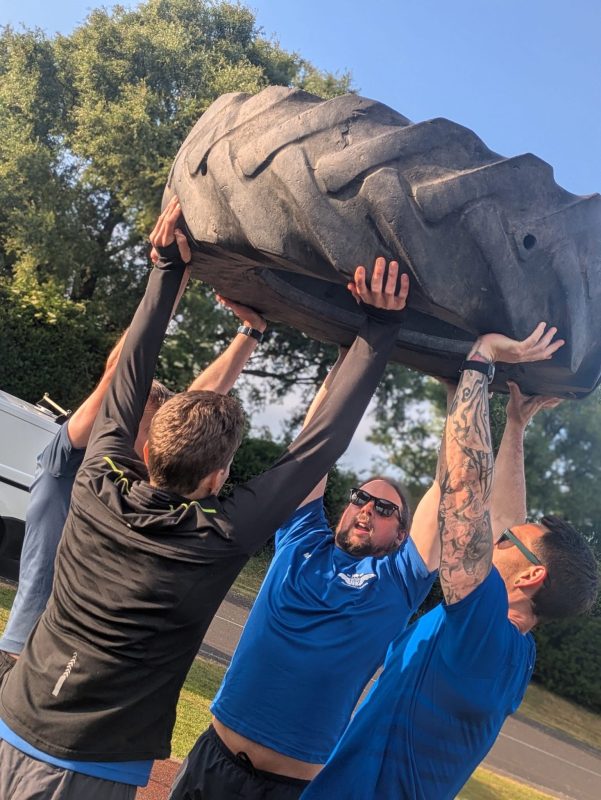
Outdoor group training that welcomes every fitness level.
6 Top-Tier Pre Workout Meal and Snack Ideas
Theory is great, but practical application is where results are made. If you are struggling to figure out exactly what to put on your plate, here are some of the most effective, science-backed meal combinations to power your next session.
When you have 2-3 Hours (Full Meals):
- The Classic Bro-Bowl: 4-6 ounces of grilled chicken breast, 1 cup of jasmine rice, and a small side of zucchini. This meal offers highly digestible complex carbs and lean protein with almost zero fat.
- Oats and Eggs: 1 cup of rolled oats made with water or almond milk, topped with a dash of cinnamon, served alongside 3 scrambled egg whites and 1 whole egg. The oats provide incredible sustained energy, while the egg whites offer premium, fast-digesting protein.
- Sweet Potato and Lean Turkey: Ground lean turkey breast mixed with roasted sweet potato cubes. Sweet potatoes are an elite carbohydrate source that rests easily in the stomach.
If you have 45-60 Minutes (Light Snacks): 4. Greek Yogurt and Berries: 1 cup of non-fat plain Greek yogurt topped with half a cup of blueberries and a drizzle of honey. The yogurt is packed with fast-digesting whey and casein proteins, while the honey provides an immediate simple carb boost. 5. Rice Cakes and Protein Paste: 2 plain rice cakes spread with a “paste” made by mixing a half scoop of chocolate whey protein powder with a tiny amount of water. It tastes like dessert, digests in under an hour, and triggers muscle protein synthesis beautifully.
If you have 15-30 Minutes (Emergency Fuel): 6. The Quick Banana or Intra-Workout Carbs: If you are literally walking out the door, grab a ripe banana. The riper the banana (look for brown spots), the simpler the sugars, and the faster it digests. Alternatively, sipping on a sports drink containing dextrose or cyclic dextrin will bypass the stomach quickly and hit your bloodstream just in time for your warm-up sets.
Don’t Forget the Fluids: Hydration Strategies for Physical Activity
It is impossible to talk about workout nutrition without addressing fluids. Proper hydration strategies for physical activity are the glue that holds your nutritional efforts together. Even a 2% drop in your body’s water weight can lead to a drastic reduction in athletic performance, strength, and cognitive focus.
Water is required to transport the carbohydrates and proteins you just ate into your muscle cells. Furthermore, as your body stores glycogen from your carbohydrates, it requires water to lock that energy into the muscle (roughly 3 grams of water for every 1 gram of carbohydrate).
Aim to drink roughly 16 to 20 ounces of water 2 hours before your workout, and another 8 ounces about 20 to 30 minutes before you start. If you sweat heavily or are training in a hot environment, consider adding a pinch of sea salt or an electrolyte powder to your pre-workout water to optimize nerve function and prevent cramping.

The Final Takeaway
Perfecting your pre workout meal is one of the most effective, immediate ways to enhance your performance in the gym. By understanding how to manipulate your macronutrients, timing your intake to respect your digestive system, and choosing the right foods for your specific style of training, you set the stage for continuous progress.
Stop leaving your energy levels up to chance. Ditch the fasted, empty-tank workouts, start experimenting with the meals listed above, and watch as your strength, endurance, and overall gym enjoyment skyrocket. Fuel your body with intention, and your body will reward you with results.
Want to know more about Bootcamp UK
Find a Bootcamp near you
Check out our Current promotion offers