Category: Uncategorised
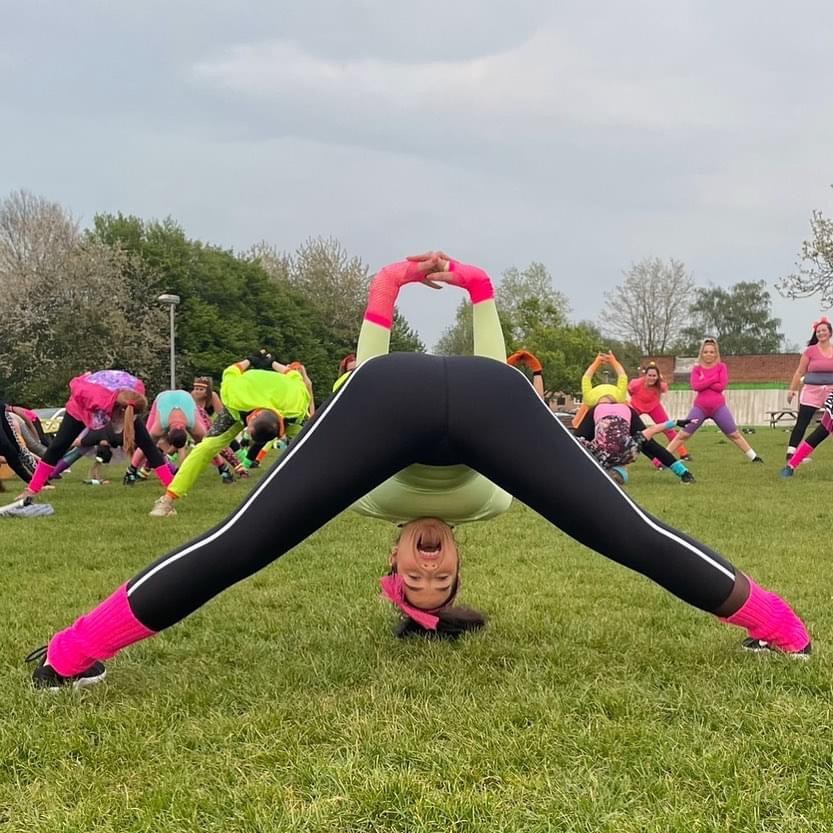
Group exercise classes can turn “working out” from a solo chore into a consistent, motivating routine. Whether you’re searching for group exercise classes near me because you’re new to the gym, or you’re upgrading your training with group fitness training, the biggest benefit is simple: you show up more often, work harder (safely), and enjoy the process. From beginner-friendly workout classes to advanced conditioning, today’s fitness group classes offer options for every schedule, budget, and ability level.

Why Group Exercise Classes Work So Well
The appeal of group exercise classes isn’t just the music or energy—it’s the structure. You get a plan, a coach, and a community all in one.
1) Motivation and Accountability (Without the Pressure)
In group workout sessions, the room’s momentum helps you keep moving even when you’d normally stop early. You’re also more likely to stick to a routine when you have a familiar class and instructor.
Practical tip: If you struggle with consistency, book two recurring group workout classes near me each week and treat them like appointments.
2) Coaching and Better Technique
A strong instructor cues form, pacing, and breathing. That’s especially helpful in strength-focused formats like strength training bootcamp workouts, where technique matters for results and injury prevention.
Look for:
- Clear demonstrations and modifications
- Hands-on coaching (when appropriate) and verbal cues
- A willingness to answer questions after class
This is a big part of finding the right instructor—and it often determines whether a class feels “too hard” or simply well-coached.
3) Efficient, Full-Body Workouts
Many best group fitness classes are designed for maximum benefit in 30–60 minutes:
- Warm-up that actually prepares joints and heart rate
- Main set that targets cardio + strength + core
- Cooldown to bring intensity down safely
If you’re busy, fitness group classes can be the most time-efficient option because the plan is already done for you.
Physical Benefits You’ll Notice Over Time
Group formats often deliver measurable improvements because they combine progressive structure with consistent attendance.
Improved Cardiovascular Fitness
Regular classes can improve stamina and heart health—especially formats that alternate effort and recovery.
If you prefer gentler options, choose low-impact cardio class options such as:
- Low-impact dance cardio
- Aqua fitness
- Barre-inspired cardio
- Walking-based treadmill classes
Strength and Muscle Tone (Without Guesswork)
Classes that use dumbbells, kettlebells, resistance bands, or bodyweight movements build strength progressively—especially in a good bootcamp format. Over time, you may notice:
- Better posture and core stability
- Stronger legs and glutes
- Improved functional strength for daily life
Mobility, Balance, and Joint-Friendly Fitness
Mind-body classes improve flexibility and body awareness. If you sit a lot or feel stiff, you’ll benefit from consistent mobility work and controlled movement patterns.

The Social + Mental Health Benefits
Community That Keeps You Coming Back
Many people stay consistent because they enjoy the social aspect of group workout sessions. Familiar faces create a “see you next time” feeling that makes skipping less likely.
Stress Relief and Mood Boost
Music, movement, and shared effort can reduce stress and improve mood. Even a short lunchtime session can help you reset.
Overcoming Gym Class Anxiety
It’s normal to feel nervous—especially your first time. Overcoming gym class anxiety often comes down to preparation and choosing the right format.
Try this checklist:
- Arrive 10–15 minutes early to meet the instructor
- Stand near the back or side so you can follow others
- Tell the coach you’re new and want options/modifications
- Start with beginner-friendly workout classes before intense formats
Most instructors love helping beginners. You don’t need to be “fit” to start—classes are how you get there.

Popular Class Types (and How to Pick Yours)
Different goals call for different formats. Use this mini “matchmaker” to narrow down options.
HIIT vs Spin Class: Which One Is Better?
The HIIT vs spin class decision often depends on joints, preferences, and how you handle intensity.
- HIIT: Short bursts of high effort + rest; often includes bodyweight or weights. Great for conditioning, but can be high-impact depending on the programming.
- Spin (cycling): Intense cardio with lower joint impact. Great if you like rhythm, music, and measurable effort.
If you want cardio intensity with less pounding, spin may feel better on knees/ankles.
Indoor Cycling Class Benefits
People love cycling classes because you can push hard while controlling resistance. Common indoor cycling class benefits include:
- Strong cardiovascular training in 45 minutes
- Leg endurance and power
- Adjustable intensity for beginners to advanced riders
Yoga vs Pilates Class: What’s the Difference?
Choosing yoga vs pilates class comes down to focus:
- Yoga: Flexibility, breathing, balance, and stress relief; can be gentle or intense depending on style.
- Pilates: Core strength, posture, controlled movement; often feels “sneaky hard” without high impact.
If your goal is posture and core stability, Pilates is a great anchor class alongside cardio or strength.
Strength Training Bootcamp Workouts
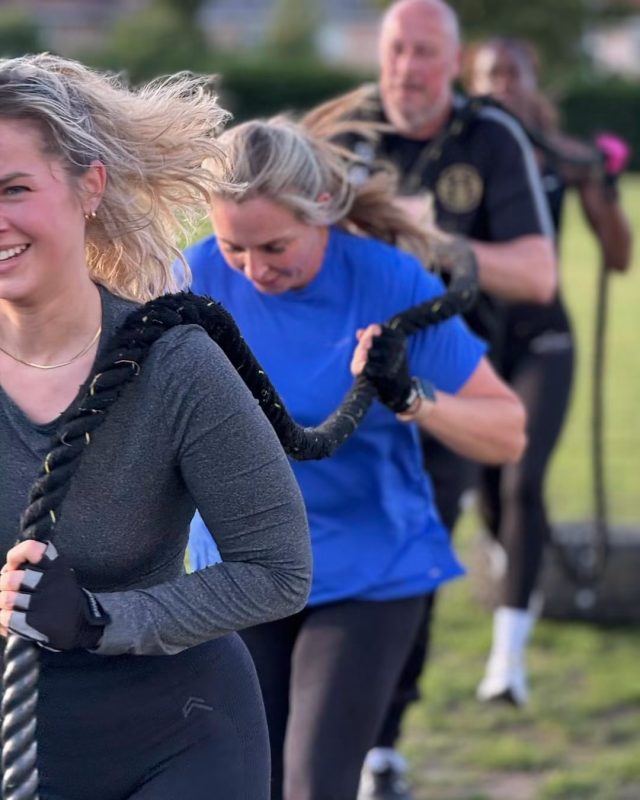
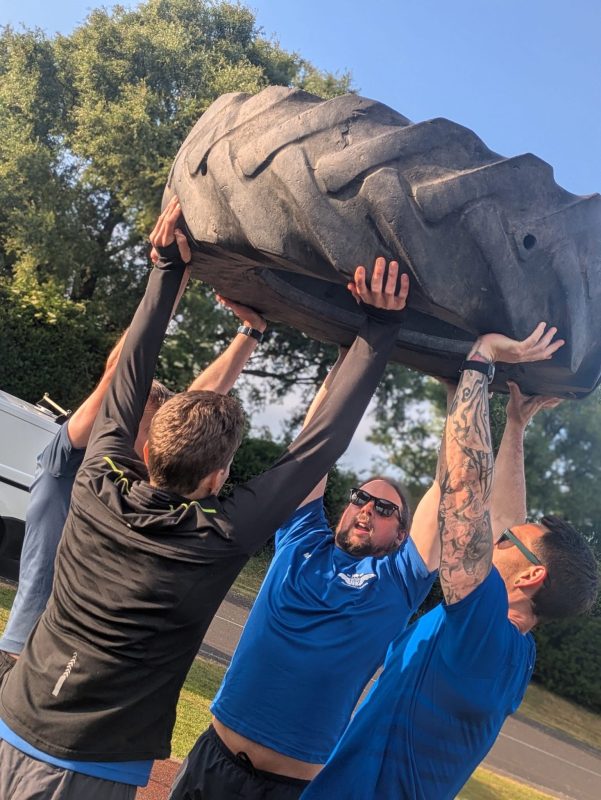
Bootcamps blend strength + cardio circuits for a high-energy session. They’re ideal if you like variety and want a “done for you” plan—just make sure the instructor offers modifications.
Best for: fat loss goals, athletic conditioning, people who get bored easily.
How to Choose a Fitness Class (Step-by-Step)
If you’re overwhelmed by options, use this simple approach for how to choose a fitness class you’ll actually stick with.
Step 1: Decide Your Main Goal
Pick one primary goal for the next 6–8 weeks:
- Build stamina
- Get stronger
- Improve flexibility/stress management
- Lose weight / recomposition
- Recover and move more consistently
Step 2: Use a Class Intensity Level Guide
A quick class intensity level guide:
- Level 1 (Easy): can talk comfortably most of the time
- Level 2 (Moderate): can speak in short sentences
- Level 3 (Hard): can only speak a few words at a time
Beginners usually do best starting at Level 1–2, then progressing.
Step 3: Know What to Expect in a Fitness Class
If you’re new, understanding what to expect in a fitness class makes it less intimidating:
- A warm-up (don’t skip it)
- The instructor demonstrates moves and options
- You’ll be offered lighter/heavier choices
- Cooldown and stretching at the end
Bring water, a towel, and shoes that match the format (cycling shoes if required; stable trainers for strength classes).
Step 4: Try 2–3 Styles Before You Commit
Even “perfect on paper” classes can feel wrong in real life. Try a few formats and note:
- Enjoyment (you’ll repeat what you enjoy)
- Instructor clarity and vibe
- How you feel the next day
Planning, Pricing, and Practical Logistics
Workout Class Schedule Planning
Consistency beats perfection. For workout class schedule planning, choose days and times you can repeat weekly.
Easy structure:
- 2 classes/week (one strength-focused, one cardio or mobility)
- Add a third class once that feels comfortable
If mornings are tough, schedule evening sessions; if weekends are busy, anchor weekdays.
Fitness Class Cost Comparison
A smart fitness class cost comparison looks at value per session, not just monthly price:
- Unlimited memberships (best if you attend 8+ times/month)
- Class packs (good for 3–6 times/month)
- Drop-ins (good for travel or occasional variety)
Also check for community options: ymca group exercise classes often provide a wide range of included classes with membership, and some local studios/gyms offer community-centered programs like liberty group exercise classes depending on your area.
Finding “Near Me” Options That Fit
When searching “group exercise classes near me,” filter by:
- Class times that match your real schedule
- Parking/transit convenience
- Instructor credentials and reviews
- Beginner options and clear scaling/modifications
Quick Takeaway: Build Your Weekly Class Plan
If you want a simple starting point using group fitness training, try:
- 1 strength-focused class (bootcamp or strength circuit)
- 1 cardio class (cycling or low-impact cardio)
- Optional: 1 mobility class (yoga or Pilates)
This blend covers strength, conditioning, and recovery—while keeping training social and sustainable.
Conclusion
The biggest benefits of group exercise classes come from the combination of structure, coaching, and community. With the right instructor, a manageable intensity, and realistic scheduling, fitness group classes can help you build consistency, confidence, and measurable progress. Pick two classes you can repeat, start with a level that feels doable, and refine as you learn what you enjoy—because the best workout is the one you’ll actually keep doing.