
Category: Uncategorised
Why group fitness helps weight loss
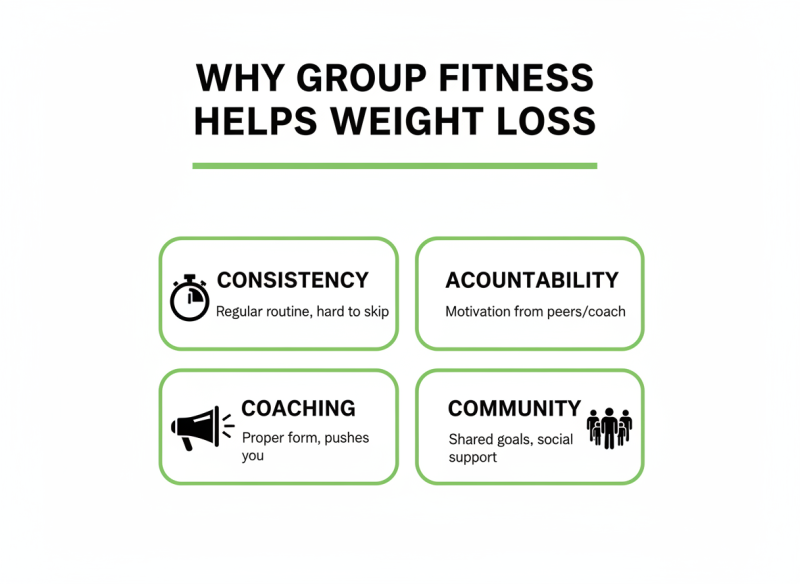
Losing weight is easier to stick with when you do not have to do it alone. The right group setting can help you show up more consistently, push yourself safely, build confidence, and turn exercise into a repeatable habit rather than a short-term burst of motivation.
Whether you prefer structured fitness classes, small-group coaching, outdoor fitness sessions, or community-based weight loss groups, the goal is the same: create a routine that supports steady progress. The steps below will help you choose the right group, use accountability well, and make group training part of a sustainable weight loss plan.
1. Choose a group that matches your current fitness level
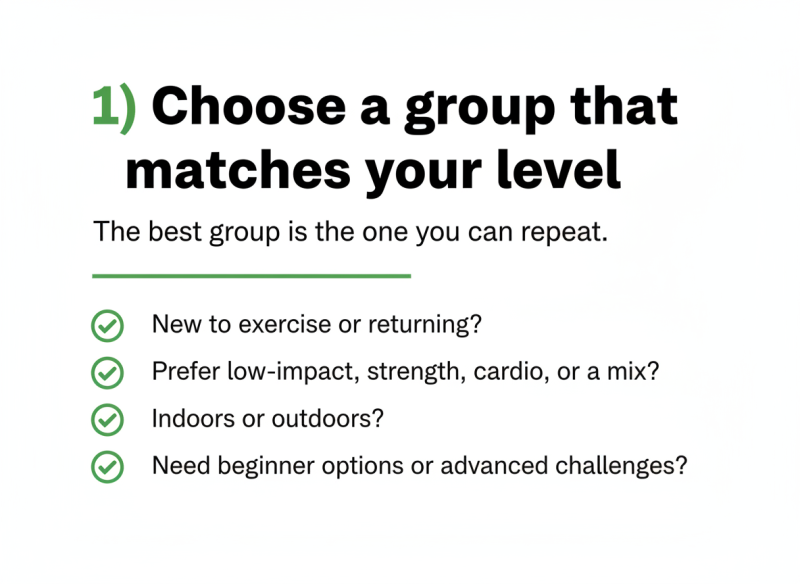
The best group fitness option is not always the hardest one. It is the one you can attend consistently, enjoy enough to repeat, and progress in over time.
Before joining, think about your current level honestly. Ask yourself:
- Are you new to exercise, returning after a break, or already active?
- Do you prefer low-impact movement, strength training, cardio, or a mix?
- Do you feel more comfortable indoors, outdoors, or in a smaller group?
- Do you need beginner modifications or more advanced challenges?
If you are just starting out, look for beginner-friendly fitness classes or outdoor fitness groups that clearly offer options for different abilities. A supportive instructor or coach should be able to show modifications, explain movements, and help you build confidence without pressure.
If you already exercise regularly, group training can help you increase intensity, improve technique, and stay challenged. The key is to find a group that pushes you while still allowing proper recovery and safe form.
2. Use accountability to build consistency
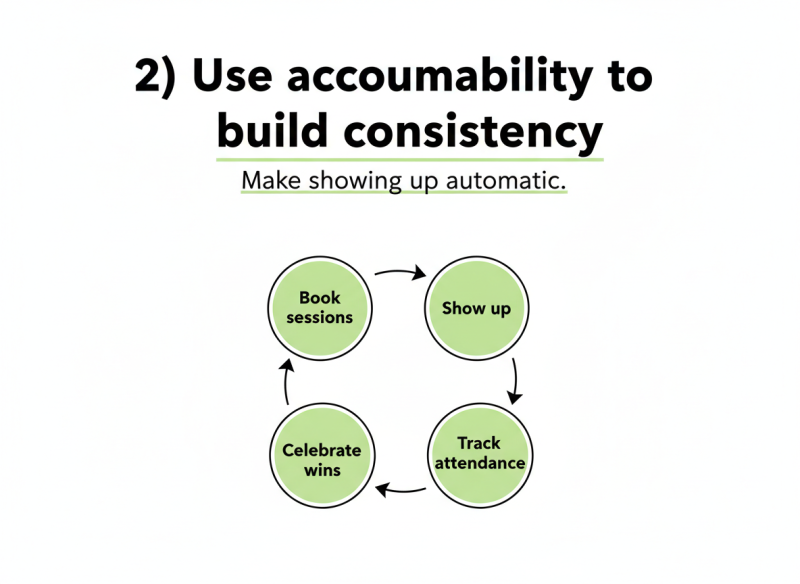
Accountability is one of the biggest reasons group fitness helps with weight loss. When you exercise alone, it is easier to skip a session, shorten a workout, or let one missed day become a missed week. In a group, other people expect to see you. That simple social connection can make showing up feel more automatic.
To make accountability work for you:
- Commit to specific days and times. Treat your sessions like appointments.
- Tell someone your plan. Let a coach, classmate, or friend know when you will attend.
- Track attendance first. Before focusing on calories or scale changes, measure how often you show up.
- Celebrate consistency. Every completed session reinforces the habit.
Many weight loss groups also include check-ins, shared goals, or progress discussions. These can be useful if they feel supportive rather than judgmental. The right accountability should help you stay encouraged, not ashamed.
3. Pick activities you can enjoy, not just tolerate
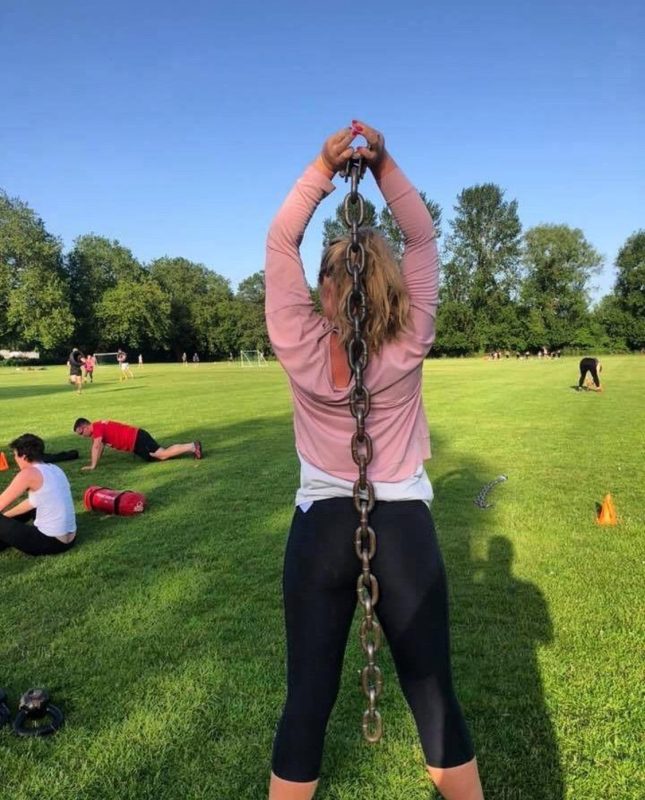
Weight loss requires consistency, and consistency is easier when your workouts are enjoyable. You do not have to love every minute of every session, but you should feel that the experience is worth repeating.
Group fitness can make exercise more enjoyable because it adds energy, music, coaching, teamwork, and variety. You might enjoy:
- Circuit-based fitness classes
- Strength-focused group training
- Walking or running clubs
- Bootcamp-style outdoor fitness sessions
- Dance, cycling, boxing, or low-impact cardio classes
- Community weight loss groups with movement sessions
Outdoor fitness groups can be especially motivating for people who dislike traditional gyms. Training in parks, open spaces, or local community areas can make workouts feel more refreshing and less repetitive. Fresh air, natural light, and a change of scenery can help you look forward to exercise instead of seeing it as a chore.
4. Start with a realistic weekly schedule
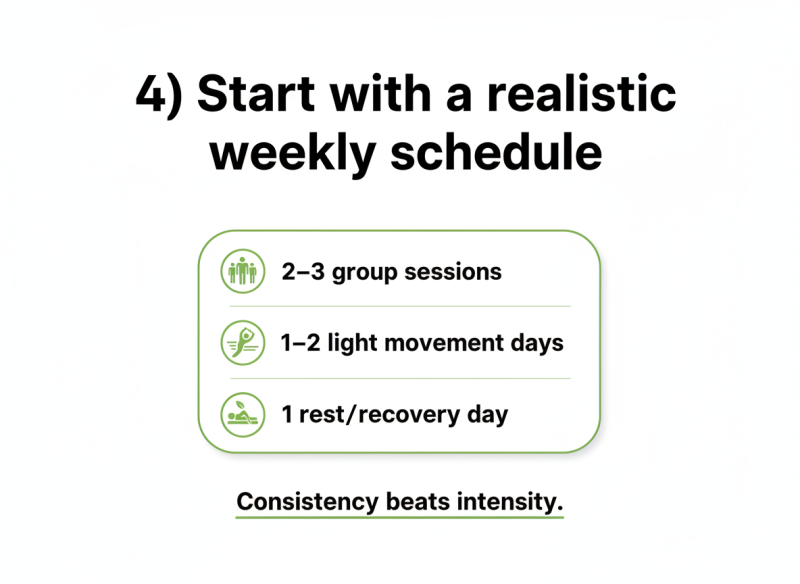
A common mistake is trying to do too much too soon. Joining five classes a week may feel exciting at first, but it can quickly lead to soreness, fatigue, or burnout. A better approach is to start with a schedule you can maintain.
For many people, a realistic starting point is:
- Two to three group sessions per week
- One or two lighter movement days, such as walking or stretching
- At least one full rest or recovery day
If your group workouts are intense, recovery matters. Weight loss is not about exhausting yourself every day. It is about creating a consistent energy balance while building strength, stamina, and healthier routines.
After a few weeks, you can adjust. If you feel strong and recovered, add another session or increase intensity. If you feel overly tired, reduce volume or choose a lower-impact class.
5. Let the coach or instructor guide your effort
One advantage of fitness classes and group training is that you do not have to design every workout yourself. A qualified instructor can structure the session, explain exercises, set the pace, and help the group work toward a clear outcome.
To get the most from coaching:
- Arrive a few minutes early if you are new.
- Tell the instructor about injuries, limitations, or concerns.
- Ask for modifications when needed.
- Focus on form before speed or heavier weights.
- Use the group’s energy, but do not ignore your body.
In a good group environment, you should feel encouraged to work at your own level. Weight loss groups and fitness communities are most effective when they support progress without comparison. Someone else may be lifting heavier, moving faster, or attending more often, but your goal is to improve from your own starting point.
6. Combine cardio and strength for better results
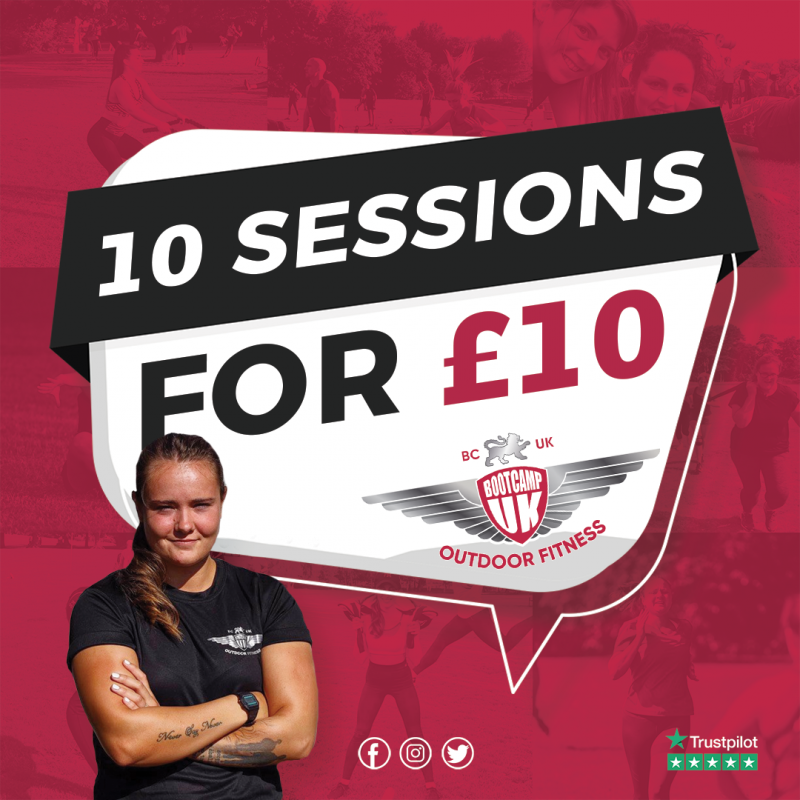
Claim your first 10 PAYG Bootcamp UK sessions for just £10! No commitment, no catch.
Group fitness can support weight loss in several ways. Cardio-focused classes help you burn energy and improve endurance. Strength-based group training helps you build muscle, improve posture, and increase functional fitness. A balanced plan usually includes both.
Look for a weekly mix such as:
- Strength training to build and maintain lean muscle
- Cardio sessions to improve stamina and increase energy output
- Mobility or stretching to support recovery
- Outdoor fitness activities for variety and motivation
You do not need every session to be high intensity. In fact, a mix of moderate and challenging workouts is often easier to sustain. Walking groups, beginner circuits, outdoor bootcamps, and low-impact fitness classes can all have a place in a weight loss routine.
7. Make the social side work for you
One reason people return to group fitness is the sense of belonging. When you recognize familiar faces, share small wins, and feel part of a community, exercise can become something you look forward to.
The social side can help you:
- Stay motivated when your own energy is low
- Feel less isolated in your weight loss journey
- Learn from others who are building similar habits
- Create positive associations with exercise
- Keep going after a difficult week
However, the social element should support your goals, not distract from them. If your class friends regularly suggest habits that conflict with your goals, such as skipping sessions or overeating after every workout, set gentle boundaries. Community is powerful, but your progress still depends on the choices you make consistently.
8. Track progress beyond the scale

The scale can be one measure of weight loss, but it does not tell the full story. Group fitness often improves many areas before the scale changes noticeably. You may feel stronger, sleep better, have more energy, or notice that daily activities feel easier.
Track several types of progress, such as:
- Number of classes attended each week
- Increases in strength or stamina
- Improved form or confidence
- Changes in clothing fit
- Energy levels and mood
- Recovery time after workouts
- Healthy habits completed outside class
This approach is especially helpful in weight loss groups, where people may be tempted to compare numbers. Your progress may look different from someone else’s because your body, schedule, stress level, and starting point are different.
9. Support workouts with simple nutrition habits
Group fitness can help create the movement side of weight loss, but nutrition also matters. You do not need a complicated plan to start. Focus on basic habits that make it easier to manage hunger, fuel workouts, and avoid overeating.
Helpful habits include:
- Eating protein with most meals
- Adding vegetables, fruit, or fiber-rich foods regularly
- Drinking water throughout the day
- Planning meals before you are overly hungry
- Limiting mindless snacking
- Avoiding the mindset that one workout “earns” unlimited food
If your fitness classes are intense, make sure you are eating enough to recover. Under-fueling can make you tired, irritable, and more likely to skip future sessions. The goal is not punishment. The goal is a balanced routine that you can keep following.
10. Prepare before each session
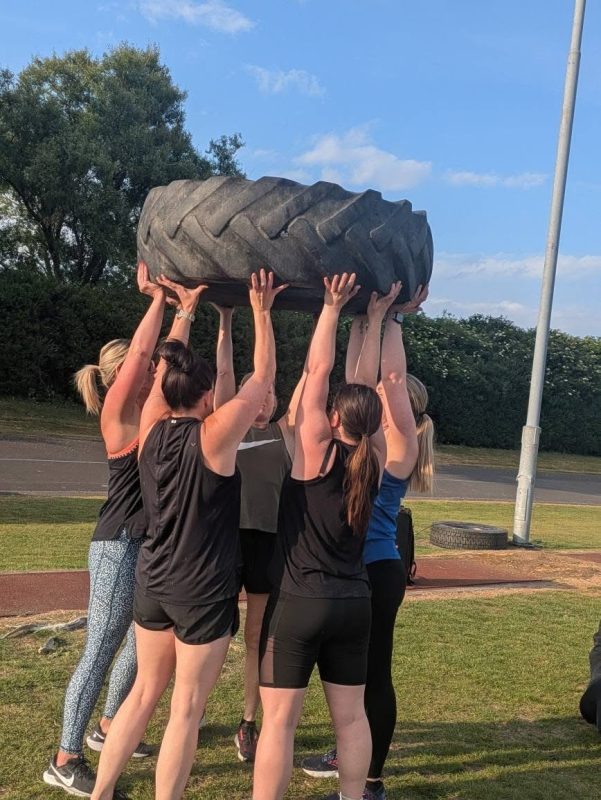
A little preparation removes many common excuses. If your workout gear is ready and your class is already scheduled, it is easier to follow through.
Before each session:
- Pack your clothes, shoes, water, and any needed equipment.
- Check the time and location.
- Eat a suitable meal or snack if needed.
- Arrive early enough to settle in.
- Set a simple goal for the session, such as completing the workout or improving one movement.
For outdoor fitness groups, also consider the weather, sun protection, layers, and suitable footwear. Outdoor sessions can be energizing, but being prepared helps you stay comfortable and safe.
11. Stay consistent when motivation drops
Motivation naturally rises and falls. Group fitness helps because it gives you structure when motivation is low. You may not always feel excited before class, but the group environment can help you get started, and getting started is often the hardest part.
When you feel like skipping, try this:
- Promise yourself you only have to show up and warm up.
- Choose a lower-intensity option if you are tired.
- Message a classmate or coach for accountability.
- Remember how you usually feel after completing a session.
- Focus on the identity you are building: someone who keeps showing up.
You do not need perfect motivation to lose weight. You need repeatable habits, and group training can make those habits easier to maintain.
12. Avoid comparison and focus on your own plan
In any group setting, it is natural to notice what others are doing. A little inspiration can be helpful, but constant comparison can damage confidence.
Remember:
- Everyone has a different starting point.
- Faster does not always mean better.
- Heavier weights are not always the goal.
- Rest and modifications are part of smart training.
- Your consistency matters more than someone else’s performance.
Good fitness classes should make room for different bodies, abilities, and goals. If a group makes you feel embarrassed, pressured, or unwelcome, it may not be the right fit. There are many weight loss groups and outdoor fitness communities that prioritize encouragement, inclusion, and sustainable progress.
13. Review your routine every few weeks
As you get stronger, your needs may change. Reviewing your routine helps you keep progressing without getting stuck.
Every few weeks, ask:
- Am I attending regularly?
- Do I feel challenged but not constantly exhausted?
- Am I enjoying the group environment?
- Are my workouts supporting my weight loss goals?
- Do I need more strength, cardio, mobility, or recovery?
- Is my accountability system helping me stay consistent?
If progress has slowed, you may not need a complete overhaul. Sometimes the answer is as simple as adding one walk per week, increasing effort in class, improving meal planning, or getting more sleep.
14. Build a routine you can keep after the weight comes off
The best weight loss routine is one you can continue beyond the initial goal. Group fitness is valuable because it can become part of your lifestyle, not just a temporary plan.
When you enjoy the people, the structure, and the progress, you are more likely to keep going. Over time, fitness classes can become a normal part of your week. Outdoor fitness sessions can become a way to spend time outside. Group training can become a source of strength, confidence, and connection.
Weight loss is not only about burning calories. It is about building a healthier pattern that you can repeat. Group fitness helps by giving you guidance, energy, accountability, and community. Start with the right group, commit to showing up, and let small consistent actions create long-term change.
Want to know more about Bootcamp UK
Find a Bootcamp near you
Check out our Current promotion offers