Category: Uncategorised
Fitness classes are one of the easiest ways to add structure, energy, and variety to your workout routine. Whether you prefer high-intensity gym classes, low-impact movement, group fitness, or personalized coaching, the right class can help you stay consistent and enjoy the process. Use this guide to compare popular fitness programs and choose a class that fits your goals, schedule, and current ability level.
Which fitness class is right for your goals?
The best fitness class is the one that matches what you want to improve and what you will realistically attend. If your goal is strength, choose resistance-based training courses or small-group strength sessions. If you want endurance, conditioning, or weight-management support, try bootcamp, cycling, dance cardio, or circuit-style classes. If you need accountability, confidence, or form correction, a class that includes personal training support may be the smartest place to start.
A good class should also feel approachable. You do not need to be in peak shape before joining. Instructors are there to guide movement, offer modifications, and help you build safely over time. The key is to choose a format that challenges you without leaving you discouraged after the first session.

1. Bootcamp builds full-body conditioning
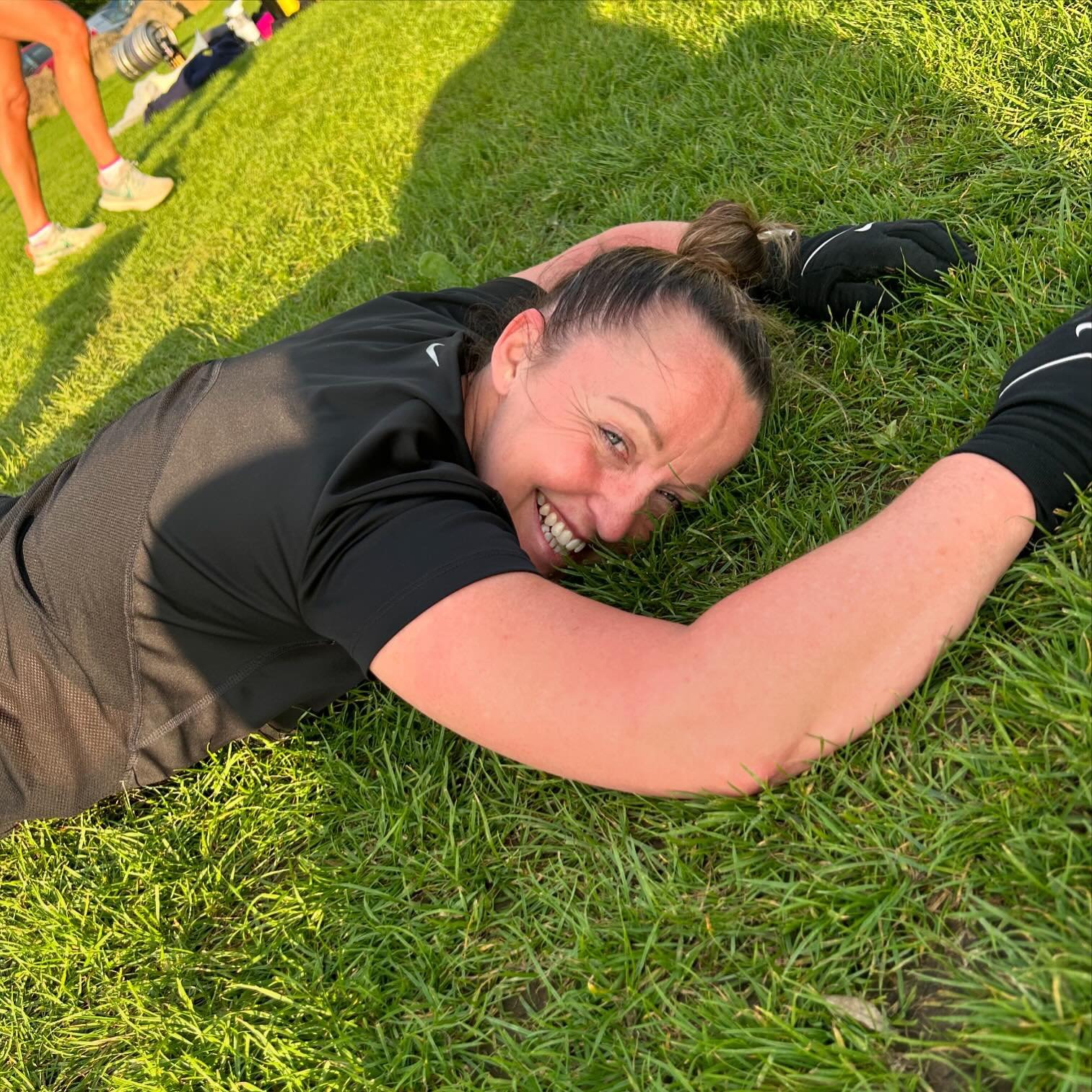
Bootcamp is a popular choice for people who want a fast-moving, full-body workout. These classes often combine strength exercises, cardio intervals, bodyweight movements, and functional training. You might move through stations, partner drills, timed circuits, or coach-led rounds.
The appeal of bootcamp is its variety. One class may focus on lower-body strength and sprints, while another uses kettlebells, battle ropes, or core work. That variety helps reduce boredom and keeps your body adapting. If you are searching locally or building bradenton fitness website content classes bootcamp topics are especially useful because bootcamp is often one of the first fitness classes people compare when they want energy, motivation, and results-driven structure.
Bootcamp is best for people who like coaching, teamwork, and a bit of intensity. Beginners can usually participate if the instructor provides modifications for jumping, running, or heavy lifting.
2. Strength training classes help you build confidence
Strength-focused gym classes teach you how to move with control while building muscle and improving everyday function. These classes may include dumbbells, barbells, machines, resistance bands, or bodyweight progressions. Unlike random solo workouts, a structured class helps you train major movement patterns such as squats, hinges, pushes, pulls, and core stabilization.
This style works well for people who want to feel stronger but are unsure where to begin. A coach can help you choose appropriate weights, practice form, and understand how effort should feel. Strength classes also pair well with personal training because the habits you learn in class can be refined in one-on-one sessions.
3. Cycling classes deliver low-impact intensity
Indoor cycling is a strong option for cardio conditioning without the repeated impact of running. Classes typically use music, interval changes, resistance adjustments, and instructor cues to guide the ride. You control your own bike settings, which makes cycling adaptable for many fitness levels.
Cycling can support endurance, leg strength, and mental stamina. It is also a practical choice for people who enjoy a focused, rhythmic workout where they can track effort without worrying about complicated choreography. Bring water, adjust your seat before class begins, and start conservatively until you understand the pace.
4. Yoga supports mobility, balance, and recovery
Yoga classes vary widely, from gentle stretching to athletic flow. A slower class can help with mobility, breathing, and stress relief, while a more active class may challenge balance, core strength, and muscular endurance. For people who sit for long hours or train hard in other fitness programs, yoga can be a valuable counterbalance.
You do not need to be flexible to begin. In fact, building flexibility and body awareness is part of the process. Look for beginner, foundational, or all-level classes if you want clear instruction and a comfortable pace.
5. Pilates strengthens the core with precision
Pilates focuses on controlled movement, posture, alignment, and core engagement. Classes may use mats, reformers, small props, or a combination of equipment. The pace can feel calm, but the work is often surprisingly challenging because small, precise movements require focus and stability.
Pilates is a great fit for people who want to improve posture, coordination, and deep core strength. It can also complement strength training, running, cycling, and group fitness because it teaches control through the hips, spine, and shoulders. If you are new, choose a beginner-friendly class so you can learn the foundations before progressing.
6. Boxing and kickboxing add power and stress relief
Boxing and kickboxing classes blend technique, conditioning, coordination, and intensity. Depending on the facility, you may work on bags, shadowboxing, footwork, partner drills, or cardio intervals inspired by combat sports. These classes are energetic and often feel mentally engaging because you are learning combinations rather than simply repeating exercises.
They are also excellent for building confidence. You practice balance, reaction, rhythm, and total-body power while getting a demanding cardio workout. Beginners should focus on form before speed and ask about wraps, gloves, and any class requirements before arriving.

What should beginners know before trying group fitness?
Beginners should know that group fitness is designed to be scalable, not intimidating. The best instructors expect different ability levels in the room and offer options for pace, resistance, range of motion, and rest. Your job is not to keep up with the strongest person in class; it is to learn the movements, listen to your body, and return consistently.
Use this quick checklist before your first class:
- Read the class description. Look for words like beginner, all-level, high intensity, strength, mobility, or dance-based.
- Arrive early. Give yourself time to meet the instructor, set up equipment, and mention injuries or concerns.
- Start lighter than you think. It is easier to increase effort than recover from doing too much too soon.
- Choose consistency over perfection. A manageable class you attend weekly is better than an extreme class you avoid.
- Ask about modifications. Good coaching includes options for different bodies, experience levels, and goals.
7. HIIT classes maximize effort in short bursts
High-intensity interval training, often called HIIT, alternates hard work with planned recovery. A class may include cardio drills, strength movements, rowing, running, bodyweight exercises, or equipment-based intervals. The structure makes HIIT appealing for busy people who want a challenging workout in a clear format.
HIIT can be effective, but it should be approached wisely. More intensity is not always better, especially if you are new or already under stress. Choose classes that include warm-ups, coaching, and recovery periods rather than nonstop exhaustion.
8. Dance fitness makes cardio feel fun
Dance fitness classes are perfect for people who want movement to feel social, expressive, and upbeat. These classes use choreographed routines set to music, often blending cardio, coordination, and rhythm. You may not master every move on day one, and that is part of the fun.
The biggest benefit is enjoyment. When a workout feels like a break from routine instead of another obligation, it becomes easier to maintain. Dance-based fitness classes are especially helpful for people who dislike traditional cardio machines but still want to build stamina.
9. Functional fitness improves real-life movement
Functional fitness classes train movements you use in daily life: lifting, carrying, pushing, pulling, rotating, stepping, and stabilizing. Workouts may use kettlebells, sleds, medicine balls, suspension trainers, dumbbells, or simple bodyweight drills. The goal is not just to sweat, but to move better outside the gym.
This type of training is practical for adults who want strength that carries over into work, sports, hobbies, and daily tasks. It also bridges the gap between group fitness and personal training because the coaching often emphasizes technique and movement quality.
10. Small-group personal training blends coaching and community
Small-group personal training offers a middle ground between private coaching and larger gym classes. You still get professional instruction, but you share the session with a few other participants. That creates accountability and energy while allowing the coach to provide more individualized feedback than a large class usually allows.
This format works well if you have specific goals but enjoy a supportive environment. It can help with strength progression, injury-aware modifications, skill development, and long-term planning. For many people, small-group training becomes the foundation of a balanced routine because it combines structure, coaching, and community.
How to choose your next class with confidence
Choosing your next class is easier when you match the format to your current goal, not just the trendiest option. If you want energy, try bootcamp or HIIT. If you want control and alignment, try Pilates or yoga. If you want technique and accountability, consider strength classes or small-group personal training.
Before committing, compare a few practical details:
- Your main goal: strength, cardio, flexibility, confidence, recovery, or general fitness.
- Your preferred environment: high-energy group, calm studio, coaching-focused session, or music-driven class.
- Your schedule: choose times you can repeat, not just attend once.
- Your experience level: start with beginner-friendly training courses if you are unsure.
- Your recovery needs: balance intense classes with mobility, rest, and lower-impact options.
Build a routine that keeps you coming back
The best routine usually includes more than one style of class. You might combine strength training twice a week, cycling or dance cardio once a week, and yoga for recovery. Another person may prefer bootcamp, Pilates, and small-group coaching. There is no single perfect plan; the right mix depends on your goals, body, and lifestyle.
Fitness programs work best when they feel sustainable. Choose classes you enjoy, instructors you trust, and a pace that lets you improve without burning out. Start with one class, notice how your body responds, and build from there. With so many fitness classes available, today is a great time to try something new and find the workout that helps you stay motivated for the long run.
Want to know more about Bootcamp UK
Find a Bootcamp near you
Check out our Current promotion offers