

Category: Uncategorised
Walking into a group workout for the first time can feel more intense than the workout itself. Fitness class anxiety is common, especially if you are unsure what to expect, worried about keeping up, or comparing yourself before you even begin. The good news is that a few practical choices before, during, and after class can make the experience feel safer, more familiar, and more enjoyable.
Why does fitness class anxiety happen?
Fitness class anxiety often comes from uncertainty, not weakness. You may be wondering where to stand, what equipment to grab, whether everyone will notice you, or if your fitness level is “good enough.” In reality, most people in class are focused on their own breathing, form, and effort, and instructors are used to helping newcomers settle in.
An anxiety fitness class moment can show up in different ways: a tight chest before leaving home, a racing mind in the parking lot, or the urge to cancel at the last minute. These reactions are uncomfortable, but they are also manageable. Once you understand what is triggering the worry, you can plan around it instead of letting it decide for you.
Common triggers include:
- Fear of being watched: You may feel as if everyone is judging your pace or coordination, even when they are not.
- Not knowing the format: A new class can feel intimidating when you do not know the exercises, class length, or intensity.
- Past negative experiences: A previous gym, coach, or class may have made you feel embarrassed or unwelcome.
- Body image concerns: Mirrors, fitted workout clothes, or crowded spaces can heighten self-consciousness.
- Performance pressure: You may expect yourself to keep up immediately, even though learning takes time.
Recognizing these triggers helps you respond with preparation rather than avoidance.
Start with the right class environment
The class you choose has a major effect on how comfortable you feel. A high-energy, advanced session may be motivating for some people, but overwhelming for others. If you are nervous, look for beginner-friendly descriptions, smaller groups, slower-paced formats, or instructors who mention modifications.
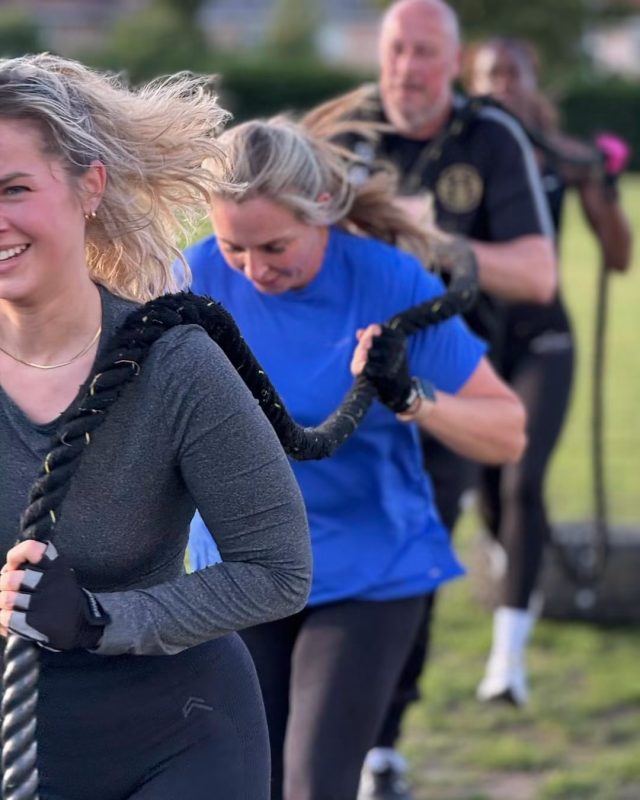
Outdoor fitness classes can be a great option if traditional gyms feel too enclosed or intense. Fresh air, open space, and a less mirror-focused environment may help reduce self-consciousness. Some people also find outdoor settings more relaxed because the atmosphere feels less like a formal workout room and more like a shared activity.
A fitness boot camp can also work well, depending on the style. The phrase may sound intense, but many boot camp classes are designed with scalable exercises, team energy, and practical coaching. Before signing up, read the class description or ask whether beginners are welcome, how exercises are modified, and what the typical session includes.
When choosing a class, consider:
- Location: Pick somewhere easy to reach so travel stress does not add to your nerves.
- Class size: Smaller classes can feel more personal, while larger classes may help you blend in.
- Instructor style: Look for encouraging, clear coaching rather than a harsh or competitive tone.
- Workout format: Circuit training, strength, yoga, dance, HIIT, and boot camp all feel different.
- Modification options: A good class should offer ways to adjust intensity without shame.
The goal is not to find the “perfect” class. It is to find one that gives you enough comfort to show up and enough challenge to feel proud afterward.
Prepare before you arrive
Preparation lowers the number of unknowns your brain has to process. The day before class, confirm the start time, parking situation, what to bring, and whether you need to arrive early. Pack your bag in advance so you are not rushing while already nervous.
Wear clothes that let you move comfortably and make you feel secure. You do not need the trendiest outfit or newest shoes to belong in a fitness class. Comfort, support, and confidence matter more than style.
A simple pre-class checklist can help:
- Water bottle
- Towel, if needed
- Comfortable workout clothes
- Supportive shoes suited to the class type
- Any required mat or equipment
- Hair tie, medication, or personal items you may need
- A small snack beforehand if you know you need fuel
- Confirmation of class time and location
It can also help to visit the location before your first session. If that is not possible, look up photos, parking details, or studio instructions online. The more familiar the setting feels, the less your mind has to fill in the blanks.
What should you do when you feel nervous in class?
When nervousness shows up during class, slow the moment down and give yourself one clear job: keep moving safely at your own level. You do not have to match anyone else’s speed, range of motion, weight choice, or confidence. Your first win is staying present, listening to instructions, and choosing modifications when you need them.
If your thoughts start spiraling, use grounding cues that bring attention back to your body and the room. Notice your feet on the floor, your hands on the equipment, or the rhythm of your breathing. Pick one instruction from the coach and follow that instead of trying to do everything perfectly.
Try these in-the-moment strategies:
- Stand where you feel comfortable. Near the side or back can feel less exposed while you learn.
- Tell the instructor you are new. A good coach will explain the flow and help you modify.
- Use a lower intensity option early. You can always increase effort once you feel settled.
- Take breaks without apologizing. Pausing for water or breath is part of training intelligently.
- Focus on form, not speed. Safe movement builds confidence faster than rushing.
- Use a steady phrase. Try, “I can go at my pace,” or “I only need to do this next rep.”
Most people are not analyzing your workout. They are counting their own reps, managing their own effort, and hoping they look like they know what they are doing too.
Reframe what success looks like
Anxiety often tells you that success means performing perfectly, blending in completely, or leaving with proof that you are already fit. That is too much pressure for one class. A healthier definition is simpler: you showed up, learned something, and gave an honest effort.
Your first few classes are data-gathering sessions. You are learning the instructor’s cues, how your body responds, which exercises feel natural, and where you need support. That information is valuable even if the workout feels messy.
Helpful success markers include:
- You arrived, even if you felt nervous.
- You introduced yourself or asked one question.
- You tried a movement you had not done before.
- You chose a modification instead of quitting.
- You noticed one thing you liked about the class.
- You left with a clearer idea of what to expect next time.
This mindset reduces pressure and builds consistency. Confidence rarely appears before action; it usually develops because you keep taking small, repeatable steps.

Build confidence through repetition
The first class is usually the hardest because everything is unfamiliar. By the second or third session, you may recognize the warm-up, the instructor’s rhythm, the equipment setup, or a few faces in the room. Familiarity turns the class from a threat into a routine.
Give yourself a realistic trial period before deciding whether a class is right for you. One awkward session does not mean you failed, and one challenging workout does not mean you do not belong. Try attending the same class a few times so you can judge it from experience rather than first-day nerves.
To make repetition easier:
- Schedule classes in advance. Treat them like appointments, not optional wishes.
- Choose a consistent time. Routine lowers decision fatigue.
- Bring a friend if helpful. A familiar person can make the first visit less intimidating.
- Track small wins. Write down what felt easier after each class.
- Repeat the same format. Familiar movements help you feel more capable.
If you are trying a fitness boot camp, repetition is especially useful because circuit styles and exercise stations become easier once you understand the flow. The workout may still be challenging, but the structure will feel less confusing.
Work with the instructor, not around them
Instructors are there to coach, not to judge. Letting them know you are new, returning after time away, or feeling a little anxious gives them useful context. You do not need to share a long explanation; a simple sentence before class is enough.
You might say:
- “This is my first class, so I may need a few modifications.”
- “I’m feeling a little nervous and just want to learn the basics today.”
- “I’m new to this format. Is there anything I should know before we start?”
- “If I need to lower the intensity, what option should I use?”
A supportive instructor will appreciate the communication. They may suggest where to stand, demonstrate alternatives, or check in briefly without drawing attention to you. If an instructor dismisses your concerns or makes you feel embarrassed, that is useful information too. You are allowed to choose a different class or environment.
Make outdoor classes feel less intimidating
Outdoor fitness classes have their own rhythm. You may be moving on grass, pavement, sand, or a park surface, and weather can affect how the session feels. Planning for those details helps you arrive more relaxed.
Check the forecast, dress in layers, and bring water. If the class meets in a public space, arrive a little early so you can find the group without feeling rushed. Outdoor sessions can feel more casual, but they still work best when you know where to go and what to expect.
For extra comfort, look for classes that clearly state the meeting point, intensity level, and equipment needs. If you are worried about being seen by passersby, choose a spot within the group that feels protected. Once the workout starts, the open-air setting often becomes a benefit: more space, less crowding, and fewer mirrors.
Know when to adjust your approach
Pushing through mild nervousness can build confidence, but ignoring real distress is not the goal. If a class consistently leaves you feeling overwhelmed, unsafe, or ashamed, adjust the plan. Fitness should challenge you, but it should not make you dread movement altogether.
You might try a smaller group, a different instructor, a lower-intensity class, or a one-on-one session before returning to a group format. You can also start with walking, at-home workouts, or basic strength training to build comfort with movement first. There is no single correct path into fitness.
It may be time to change your approach if:
- You feel panicked before every session and it does not ease with repetition.
- The class pace prevents you from moving safely.
- The environment feels judgmental or unwelcoming.
- You are avoiding all movement because one class feels too stressful.
- You need more personal guidance than the format allows.
Choosing a better fit is not quitting. It is making the experience sustainable.
A simple first-class plan
If you are ready to try a class but still feel unsure, keep the plan simple. Do not aim for a dramatic transformation on day one. Aim for a calm arrival, a manageable effort, and a positive exit.
Use this plan:
- Pick a beginner-friendly class with clear details and modification options.
- Register ahead of time so the decision is already made.
- Pack your items the night before to reduce last-minute stress.
- Arrive 10 minutes early and introduce yourself to the instructor.
- Choose a comfortable spot where you can see and hear clearly.
- Start at moderate intensity for the first half of class.
- Take breaks when needed and return when ready.
- After class, note one win and one thing to prepare for next time.
This structure gives your mind fewer chances to negotiate its way out. It also helps you measure success by follow-through rather than perfection.
Final takeaway
Fitness class anxiety is real, but it does not have to keep you from joining a class, trying a fitness boot camp, or enjoying outdoor fitness classes. Start with a supportive environment, prepare for the unknowns, communicate with the instructor, and let your pace be enough.
The first class may feel awkward, but awkward does not mean wrong. With repetition, practical planning, and a kinder definition of success, group fitness can become less intimidating and much more rewarding.
Want to know more about Bootcamp UK
Find a Bootcamp near you
Check out our Current promotion offers